
Can a House Be Cleared Before Probate Is Granted?
If you are dealing with the loss of a loved one, you may be considering whether you can begin clearing a property before probate is granted. This is a common problem for families, executors and beneficiaries who need to decide what to do with a property during the probate procedure. Understanding what you can and cannot do helps prevent delays, conflicts and potential problems later.
What is probate and why does it matter?
Probate gives legal authority to manage a deceased person's estate. When a will exists, the executors named in the document often apply for probate before they distribute assets.
The grant of probate states who is in charge of selling assets, paying debts and wrapping up the estate. Probate requires a solicitor who can provide you with any legal advice where needed.
Is probate called something different in Scotland?
Yes. Probate is the term used in England, Wales and Northern Ireland. In Scotland, the same stage of the process is called confirmation, and it is granted by the local sheriff court rather than a probate registry.
Where there is a will, the person named to deal with the estate is an executor-nominate. Where there is no will, the court appoints an executor-dative. Smaller estates can often be handled through a simplified procedure with help from the sheriff clerk.
The practical questions about clearing a house are the same either way, so this guide uses probate and confirmation to mean the same thing. If the property is in Scotland, it is worth using the correct term when you speak to a solicitor.
Can you clear a house before probate or confirmation is granted?
In many cases, some house clearance activities can begin before probate is granted. But this is not always possible; it depends on the circumstances and what is in the house.
If the items are of monetary value, you need to be careful about removing them prior to probate. Taking away belongings without proper records could create disputes between a beneficiary or affect the value of the estate.
What is the role of the executor?
The executor has a duty to protect the assets of the deceased person. Their duties start at the time of death and remain in place until they have fully administered the estate.
An executor should create a list of assets and personal belongings before making clearance decisions. This can help to avoid problems later on and gives a clear record of what the deceased person owned.
Should you remove items before probate or confirmation?
Many families wish to remove items before probate for practical reasons. For example, they may want to secure vacant properties, collect sentimental items, or organise paperwork.
Although sometimes it is okay to remove some items before probate, you should not get rid of anything that might affect valuation. The question of whether you can clear a house before probate often depends on the type of items involved.
Why is a valuation important before clearing?
Before you clear the house, it is recommended to have an accurate valuation of the contents. Including furniture, jewellery, personal belongings, chattels and such antique items.
The value of the estate must be reported correctly to HMRC. Inheritance tax rules apply across the whole of the UK, so the position is the same in Scotland as it is elsewhere. If the value of the estate is above the inheritance tax threshold, in some cases, inheritance tax may be payable. Inaccurate numbers can slow down probate.
Which items can usually be removed safely?
Low-value items, paperwork, rubbish, and spoiled food etc can often be removed as part of house clearance before probate. Basic cleaning and securing the property before probate are also generally sensible steps.
Even when you start clearing, it is important to document what has been taken away. Keeping records helps demonstrate that you acted responsibly.
What should happen to valuable items and personal possessions?
Record specific items of financial or sentimental value carefully. Any valuable items, personal belongings or assets named in the will should remain protected until decisions are made.
You should not sell anything or dispose of a deceased person’s property without proper authority. Removing items from a house without proper records can lead to emotional disputes and disagreements among family members.
Can a house clearance company help?
A highly experienced clearance specialist can assist in getting the property cleared efficiently and legally. A professional service also removes the stress of having to return for repeated visits.
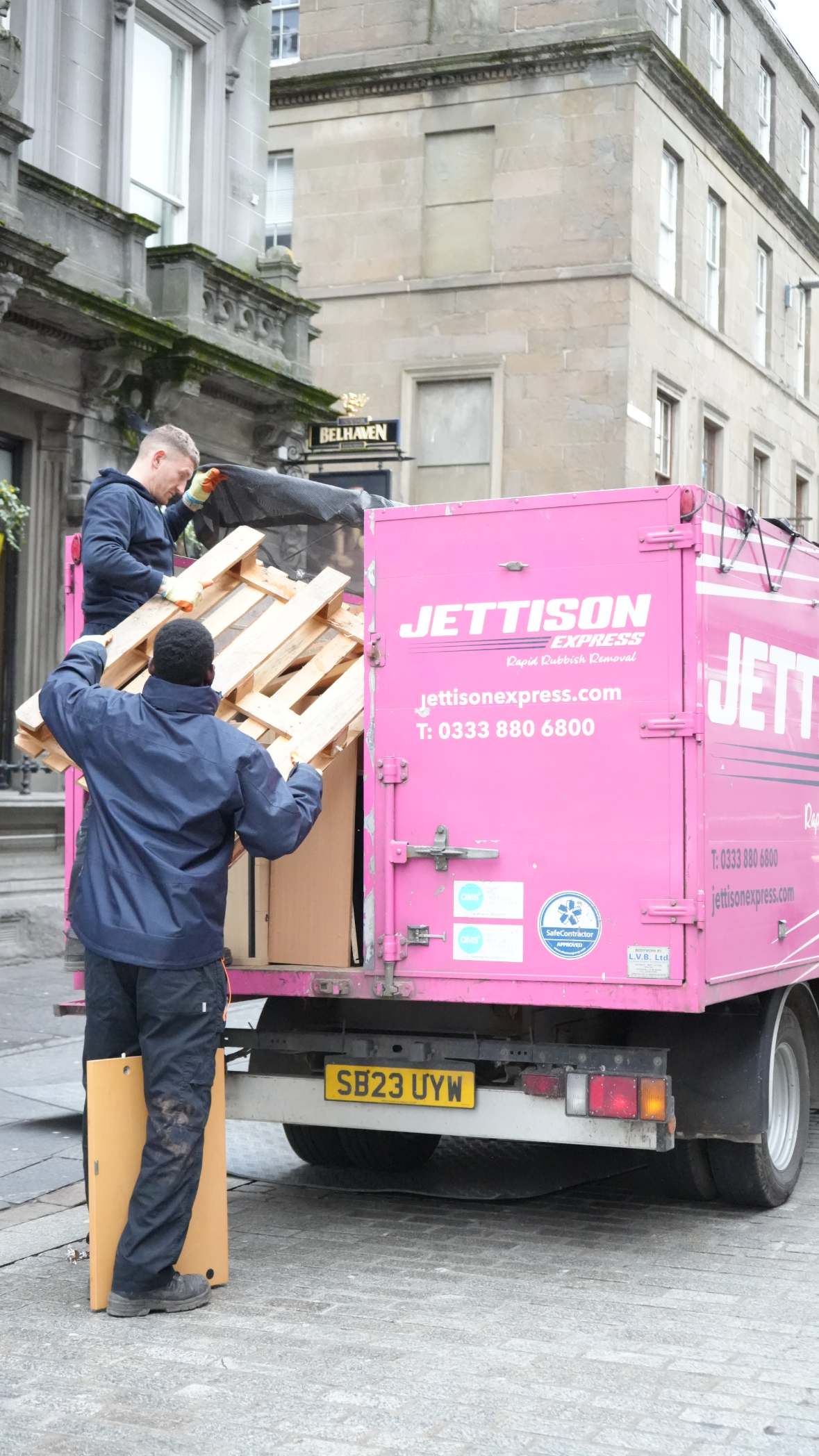
At Jettison we regularly help families with probate / executory house clearances in Glasgow, Edinburgh and surrounding areas. Our experienced and friendly team can advise on the best way to deal with a house clearance in these circumstances so that the clearance is carried out responsibly.
When should you wait?
If you are not sure about the will or the estate of the deceased, it might be best to wait. Some assets need to be left alone until probate has been granted, or until confirmation has been issued if the estate is being wound up in Scotland.
Contact Jettison Today!
Need support with house clearance in Scotland? Jettison can walk you through the process, give you a clear quote and arrange a clearance date that suits both your needs and the requirements of probate/confirmation. Visit our House Clearance Glasgow page for more information.
Call us today at 0333 880 6800 to discuss your situation and let us take care of all the hard work, allowing you to get on with other things.
Ready to Jettison the mess?
0333 880 6800